When people think about painting a commercial building, they often picture a pretty straightforward process such as: wash the exterior, prep the surfaces, and apply a fresh coat of paint. However, if you’re looking to paint a church, it’s a whole different ballgame. From towering steeples and intricate sanctuary details to multiple exterior materials and decades of weather exposure, church exterior painting requires specialized planning, equipment, and craftsmanship. In fact, churches are one of the most architecturally complex projects we typically work on at Oak City Coatings. Every project presents its own unique challenges, and understanding those differences is key to establishing realistic expectations and achieving beautiful, long-lasting results.
Whether your church is a historic landmark or a newer building serving a growing congregation, here’s what makes painting a church exterior different from other commercial painting projects.
In This Post
Why Church Exterior Painting Is Different Than Other Commercial Projects
Height and Access: The Biggest Challenge in Church Steeple Painting
When you drive up to a church, one of the first things you likely notice is the steeple. It’s the most obvious, grand sign that the building is a place of worship. However, with that also comes a greater challenge during the painting process.
Steeples, bell towers, and tall sanctuary walls are often the highest points on the building, making safe access one of the biggest considerations during a painting project.
Depending on the height and layout of the church, painting these areas may require:
- Aerial lifts
- Specialized scaffolding
- Fall protection systems
- Careful project planning and safety procedures
At Oak City Coatings, every member of our team is lift certified, allowing us to safely access taller structures while delivering the same level of craftsmanship we’re known for on residential and commercial painting projects throughout the Raleigh area. Whether it’s a multi-story home or a 60 foot church steeple, our crew is trained and experienced in painting these types of projects with precision.
Proper access isn’t just about reaching high surfaces. It’s about completing the project safely while protecting your building and everyone who uses it.
Church Exteriors Often Include Multiple Building Materials
Unlike many commercial buildings that feature one primary exterior surface (such as brick or wood siding), churches often combine several different materials throughout the building. Steeples specifically are often made out of aluminum, fiberglass, or wood. This is what gives it such a unique, special appearance.
Materials used on church exterior may include:
- Brick and masonry
- Wood siding and trim
- Stucco
- Fiber cement
- Metal roofs and steeples
- Aluminum or fiberglass architectural features
Each material ages differently and requires its own preparation process before painting begins.
For example, wood may need scraping, sanding, and priming, while masonry requires repairs to cracked mortar joints before coatings are applied. Metal surfaces often require specialty primers to prevent corrosion, and stucco needs coatings designed to expand and contract with seasonal temperature changes.
Using the right products and preparation techniques for each material is one of the most important parts of a successful church facade restoration project.
Why Paint Fails on Church Steeples and Exteriors
Peeling and fading paint can be a result of years of sun exposure, and while weather definitely plays a role, the most common causes of paint failure aren’t so obvious. They’re often hidden beneath the surface.
Water Intrusion
Church steeples contain countless joints, seams, and flashing details where water can enter over time.
Once moisture gets behind the paint, it can lead to:
- Peeling paint
- Bubbling coatings
- Rotting wood
- Rust on metal components
- Premature coating failure
Addressing these issues before painting is essential to achieving long-lasting results.
Freeze-Thaw Cycles
North Carolina’s changing seasons and climate can also take a toll on church exteriors.
Moisture that enters small cracks in masonry expands as temperatures drop, gradually widening mortar joints and creating additional opportunities for water intrusion.
Repairing these areas before painting helps protect the building and extends the life of the paint system.
Aging Exterior Finishes
Older steeples, especially those with pre-finished aluminum or fiberglass components, often develop chalking, fading, or streaking over time.
Proper cleaning, surface preparation, and coating selection help restore their appearance while improving durability for years to come.
Interior Sanctuaries Present Their Own Challenges
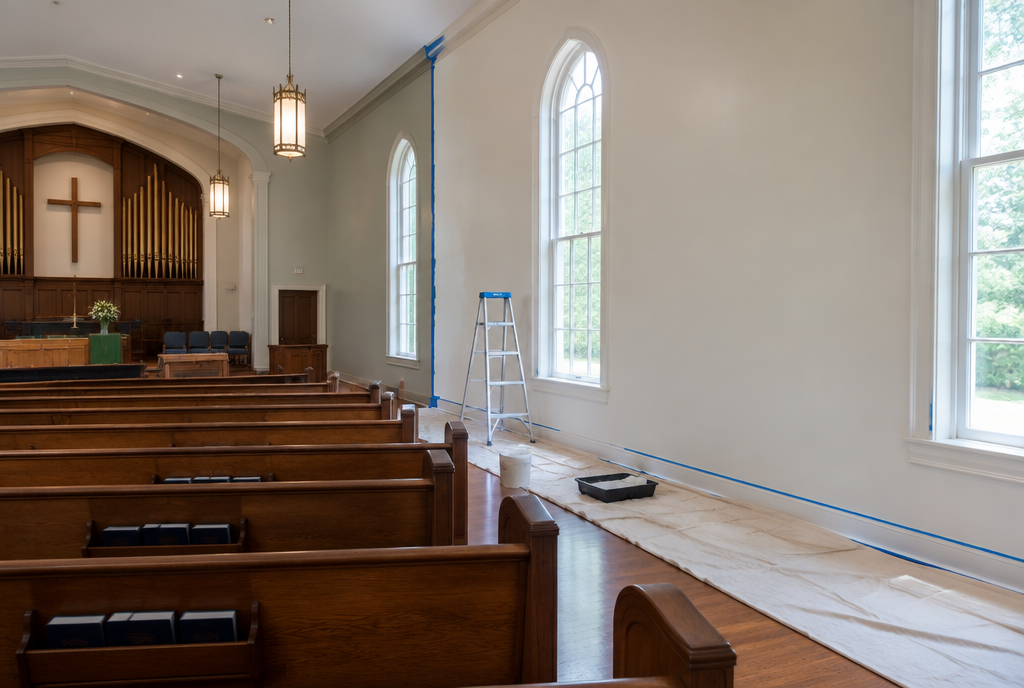
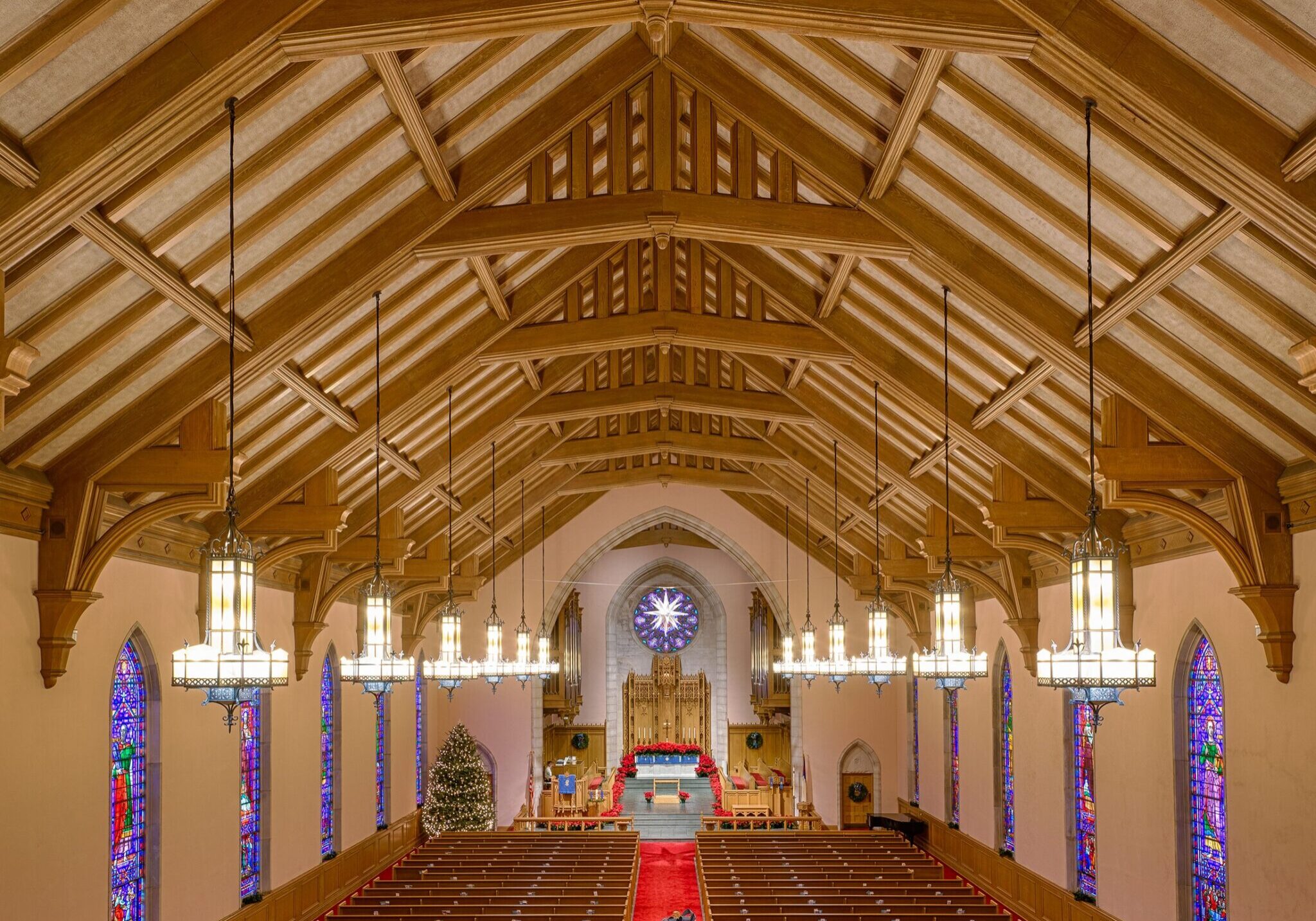
While church exteriors often receive the most attention, sanctuary interiors require thoughtful planning as well. Just because they’re indoors doesn’t mean they’re a walk in the park. Sanctuaries have large wall surfaces, vaulted ceilings, and architectural details that can make interior painting more complex than a typical commercial space.
Lighting also plays a big role. Natural sunlight filtering through stained glass can dramatically change how paint colors appear throughout the day, making color selection especially important.
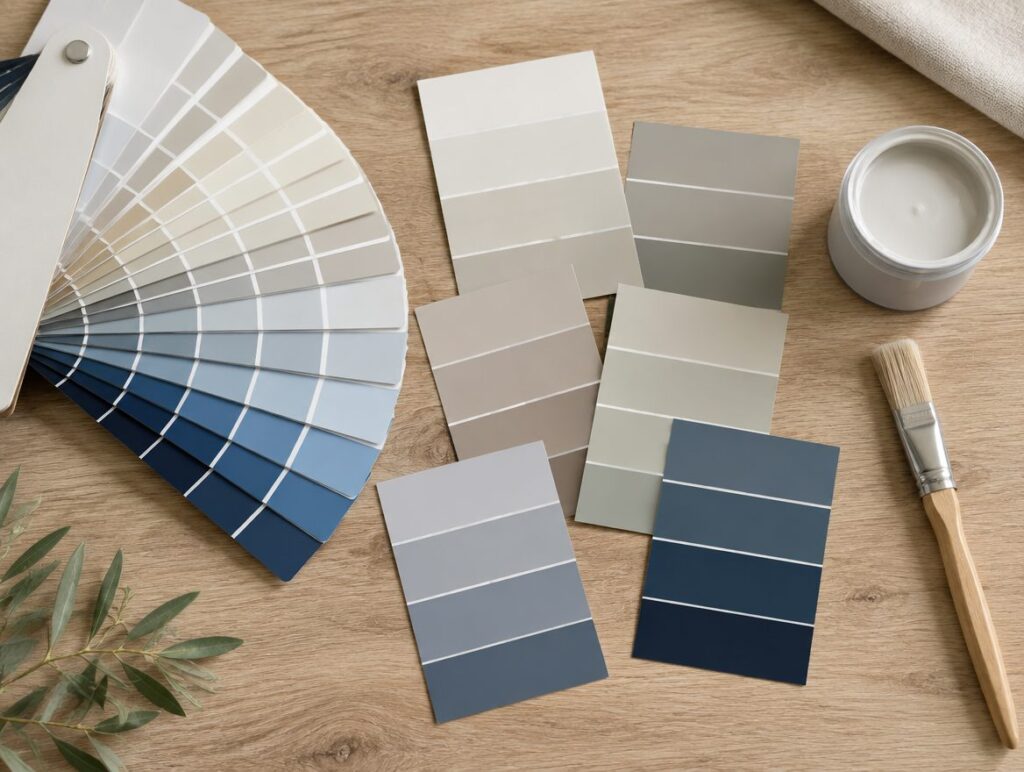
In some churches, the finish selected for walls and ceilings can also affect how light reflects throughout the sanctuary while helping preserve the space’s intended atmosphere. You also have to pay attention to how certain finishes impact acoustics, which is especially important for a church. When you work with Oak City Coatings, you’ll have access to our color specialist who can help guide you in your color choice.
How Oak City Coatings Approaches Church Exterior Painting in NC
Painting a church isn’t simply about applying a fresh coat of paint. It requires understanding how different building materials perform, safely accessing hard-to-reach areas, properly preparing aging and/or complicated surfaces, and scheduling work around worship services and community events.
At Oak City Coatings, we bring years of experience painting residential and commercial properties throughout Wake County, including multi-story buildings that require specialized equipment and careful planning. We take pride in helping preserve older and historic buildings while delivering craftsmanship that’s built to last (and backed by our warranty).
If you’re considering a church repaint, working with a contractor who understands these unique challenges can make all the difference.
Planning a Church Exterior Painting Project?
Every church is unique, which means every painting project should begin with a thorough evaluation of the building’s condition, materials, and accessibility.
If you’re planning a church repaint, Oak City Coatings is here to help. Our team can evaluate your church, recommend the right preparation and coating systems, and provide a detailed estimate tailored to your building’s needs.
If you’re also wondering what a project like this typically costs, be sure to read our guide on How Much Does It Cost to Repaint a Church in Wake County? We break down the factors that influence pricing and what church leaders should expect during the estimation process.
Whether your project involves church steeple painting in NC, a complete church exterior painting project, or restoring the beauty of an aging church façade, we’re ready to help you create a place that’s welcoming and protected for years to come.
Visit our contact page today to book your exterior evaluation and estimate.